
What HubSpot Service Hub Does for B2B Teams.
Service Hub is the part of HubSpot for the work that starts after a deal closes. For B2B teams, the features that matter most are:
- Help desk. One workspace for requests from email, chat, forms and calls. Each request becomes a ticket with an owner, a priority and a status.
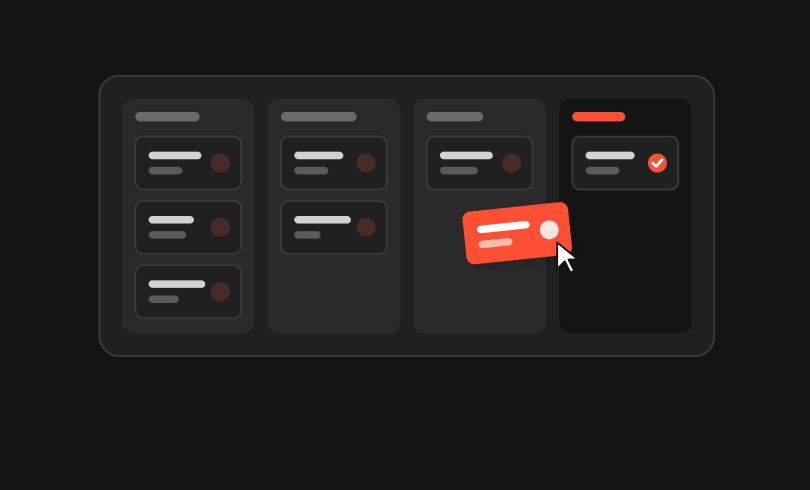
- Ticket pipelines. Separate pipelines for support, onboarding or other processes, each with its own stages.
- SLAs. Response and resolution targets by priority. Tickets close to their limit stand out before the target is missed.
- Knowledge base. Help articles customers can search before they contact you. Agents link the same articles in their replies.
- Customer portal. Customers see their open tickets and their history in one place.
- Feedback surveys. Customer satisfaction and NPS surveys, with the answers saved on the contact record.
- Customer success workspace. A view for customer success managers with their accounts, open tickets and next tasks.
- AI agents. The customer agent answers common questions from your knowledge base and hands the rest to your team.
- Reporting. Ticket volume, response times, SLA results and satisfaction scores, next to your sales and revenue data.
What a Proper Setup Looks Like.
A good Service Hub setup starts at the handover from sales and follows the customer through to renewal. It means:
- A clear handover from sales. When a deal is won, onboarding starts with the information it needs: what was sold, the contacts and the start date. Nobody asks the customer the same questions twice.
- Pipelines built around your processes. Support, onboarding and renewals each have stages that match how your team works, with clear criteria to move forward.
- Routing and ownership. Tickets go to the right team or person by product, language, region or customer tier. Every ticket has one owner.
- SLAs that match your contracts. Response and resolution times by priority or customer tier, with alerts before a target is missed.
- One customer record. Sales, service and customer success see the same contacts, companies, deals and tickets. A rep sees open tickets before a renewal or upsell call.
- Reports leadership can use. Ticket volume, resolution times, SLA results, satisfaction scores and renewals, built on clean data.
For Apifonica, we merged two HubSpot portals into one, with Sales Hub, Marketing Hub and Service Hub. Its German sales and support teams went live on the same day. Read the case study.
What Goes Wrong Without Structure.
When service work runs outside HubSpot, or in a setup nobody designed, the same problems come up:
Requests get lost between inboxes.
Customers write to personal email addresses. Nobody knows who owns the reply, and some requests wait for days.
Onboarding starts from zero.
The service team hears about a new customer late, then asks for information sales already had.
Sales calls a customer with open problems.
A rep plans an upsell or a renewal without knowing about the customer's open tickets. The call goes badly, and the customer feels unheard.
Service quality cannot be measured.
No SLAs, no satisfaction scores and no reliable report on response times. Leadership only hears about problems when a customer complains.
If this sounds familiar, start with a HubSpot Audit to understand what needs fixing.